Equipment guide
Benefits of Elliptical Trainers for Commercial Gyms
Why commercial elliptical trainers can widen member choice, support low-impact cardio and strengthen the overall equipment mix.
A low-impact cardio alternative
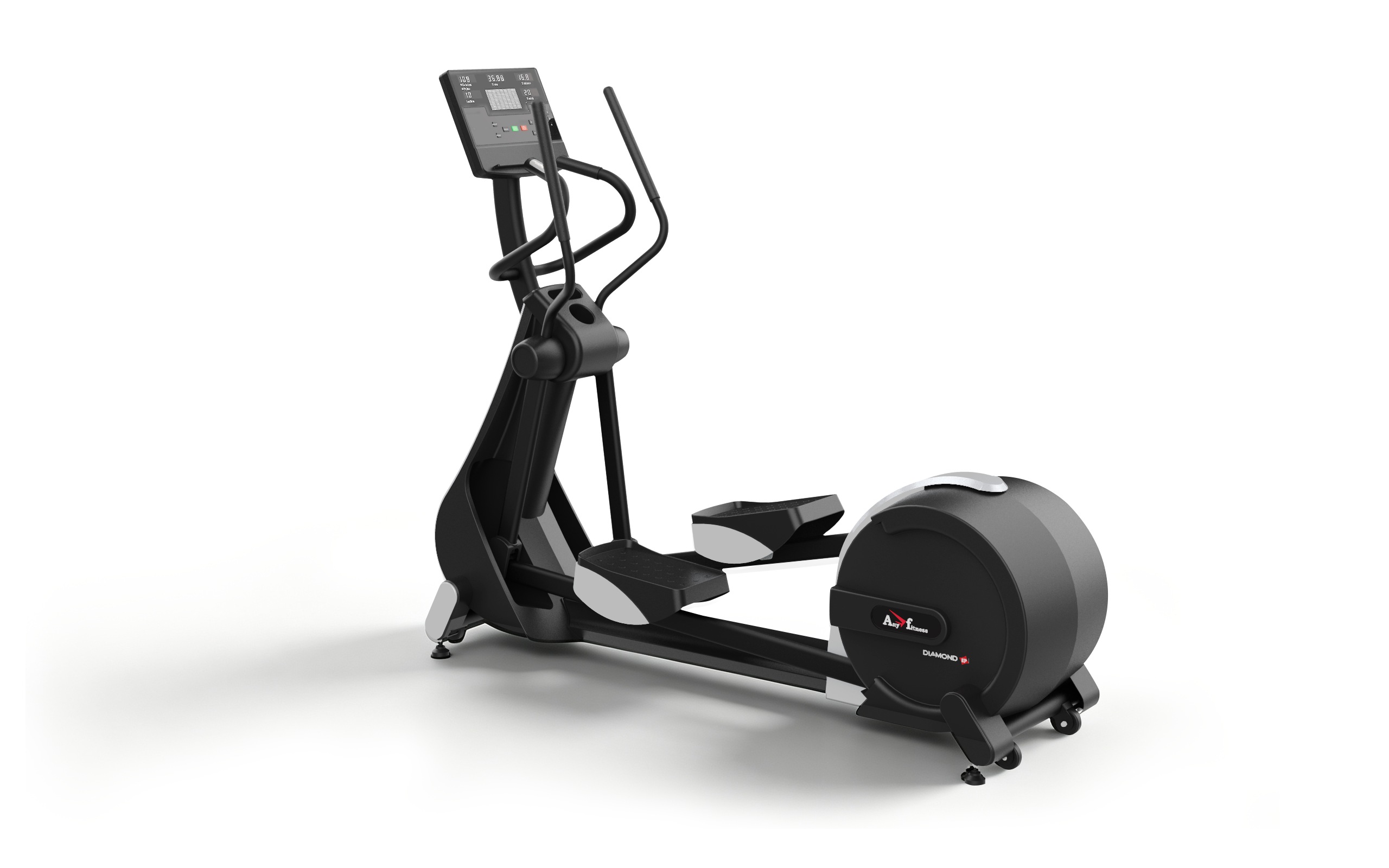
Elliptical trainers guide the feet through a continuous path without the repeated heel strike associated with running. Research comparing elliptical exercise with level walking found different lower-limb loading patterns and lower loading rates around heel strike, while also noting that joint function and muscle strength still matter. For a commercial gym, the practical benefit is choice: members who prefer not to run can still complete a progressive cardio session. Operators should avoid presenting any machine as universally suitable and encourage users with clinical concerns to follow qualified professional advice.
Upper- and lower-body involvement
Moving handles can involve the upper body while the pedals train the lower body, giving members a coordinated full-body pattern. Users can emphasize the legs, push and pull through the handles, or maintain a balanced rhythm depending on the machine and coaching goal. This variety is useful for warm-ups, steady-state cardio and interval sessions. A stable frame and smooth linkage are especially important in commercial environments where users vary in size, experience and movement quality.
Useful intensity without complex setup
Most members can begin with a quick-start program and adjust resistance without learning a complicated technique. Resistance changes allow a session to progress from easy recovery work to demanding intervals, while a readable console helps users monitor time, distance, cadence and heart rate. Facilities should choose controls that remain intuitive for first-time users and durable under repeated daily use. Clear instructions on the machine can reduce staff interruptions and improve confidence.
Broader appeal across a mixed membership
An elliptical can serve beginners, experienced exercisers and members who want variety from treadmill or bike sessions. It also helps operators create more inclusive cardio zones by providing another standing exercise option with controlled motion. The machine should complement rather than replace other categories: treadmills support walking and running specificity, bikes offer seated training, and rowers add a distinct full-body pull pattern. A balanced mix gives members reasons to stay engaged and spreads demand across the floor.
What buyers should check before purchasing
Before purchasing, test stride comfort across different user heights, pedal spacing, handle position, entry height, stability and noise. Review resistance range, console readability, transport and leveling features, cleaning access and service points. Ask the supplier about linkage wear parts and preventive maintenance. Finally, compare the elliptical with the rest of the proposed cardio fleet so that specifications, appearance and service requirements work together at the facility level.
Key takeaways
- Ellipticals add a controlled, low-impact cardio option
- Moving handles can support coordinated full-body training
- A balanced fleet serves more members than one equipment category alone
Related commercial cardio equipment
Official source: PubMed: Joint loading in the lower extremities during elliptical exercise