Industry trends
2026 Commercial Gym Cardio Equipment Trends
Five equipment and planning trends helping commercial gyms build more useful, inclusive and serviceable cardio floors in 2026.
Connected data becomes practical
ACSM’s 2026 worldwide survey ranked wearable technology first and data-driven technology eighth. For gym operators, the useful lesson is not to add screens everywhere; it is to make relevant training information easy to access. Consoles that present time, distance, pace, heart rate and program progress clearly can support members who bring their own wearables or apps. Buyers should ask how data features work, what connectivity is required and whether the equipment remains fully usable offline. Practical integration creates value; unnecessary complexity creates support work.
Active ageing changes equipment planning
Fitness programs for older adults ranked second in the same survey. That trend affects equipment selection: stable entry, clear controls, supportive hand positions and predictable movement matter alongside performance specifications. A commercial cardio floor should serve confident athletes without excluding beginners or users returning to exercise. Treadmills with accessible controls, recumbent bikes with easier access and ellipticals that offer controlled, low-impact movement can broaden the facility’s audience and support quieter daytime programming.
Low-impact variety earns more floor space
Members increasingly expect choice. Treadmills remain the anchor for walking and running, but ellipticals, upright and recumbent bikes, and rowing machines offer different movement patterns and intensity options. A mixed fleet helps operators support general fitness, interval training, low-impact sessions and full-body conditioning without overloading one equipment category. The right balance should be based on member profiles and observed usage, not a fixed industry formula.
Lifecycle value guides purchasing
Procurement discussions are shifting from purchase price to lifecycle value. Operators want equipment that is straightforward to clean, inspect and service, with clear spare-parts channels and realistic warranty support. Energy consumption, preventive maintenance, staff training and expected downtime all affect operating cost. Standardizing a fleet across locations can simplify training and parts management, but only when the selected platform fits each site’s traffic and user mix.
Flexible cardio zones replace one-size-fits-all layouts
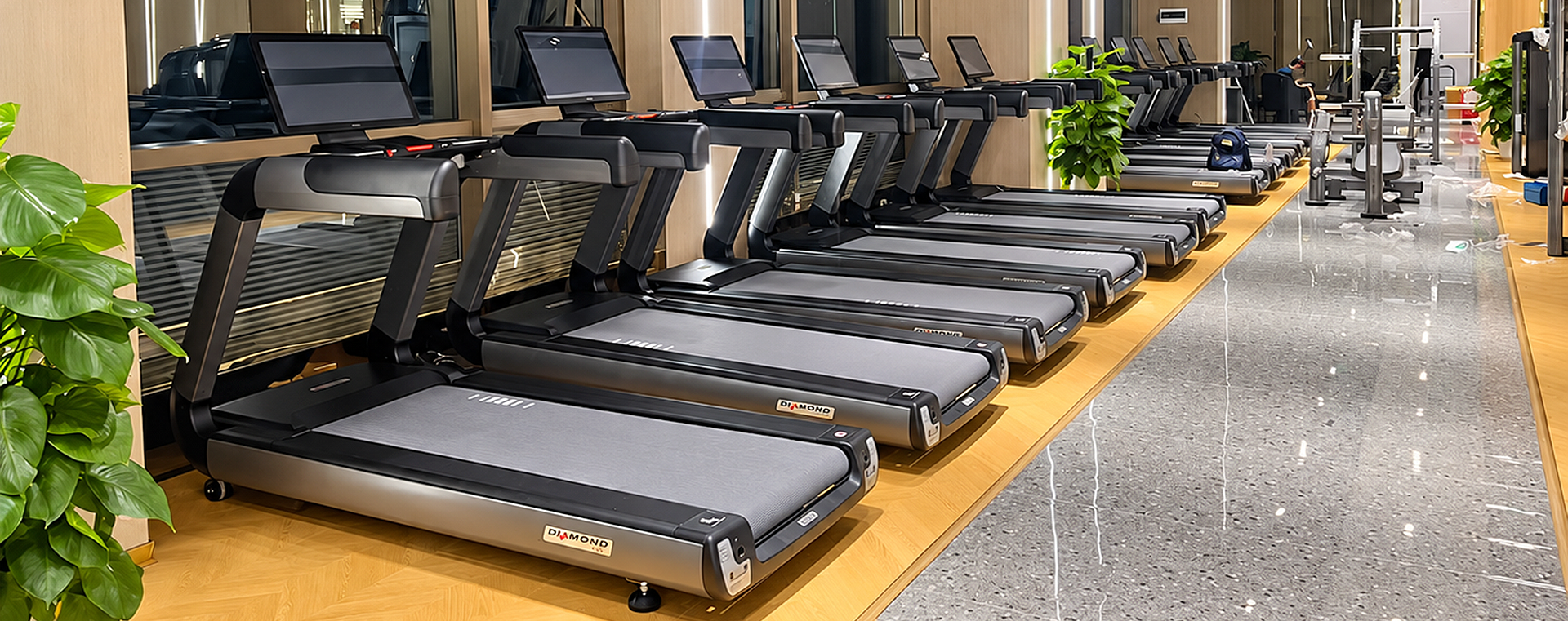
The strongest 2026 cardio floors are planned as flexible zones rather than rows of identical machines. Operators can combine quick-use equipment near circulation routes, quieter low-impact options for guided programs and performance-oriented units where coaching is available. Power, network access, ventilation, sightlines and service clearance should be planned before installation. This approach gives the facility room to adjust the mix as membership and programming evolve.
Key takeaways
- Wearables and clear data displays should work together
- Active-ageing programs require inclusive equipment choices
- Lifecycle service and a balanced cardio mix reduce operating risk