
Buyer guide
Upright vs Recumbent Bikes: A Commercial Gym Buyer’s Guide
Compare upright and recumbent exercise bikes by member needs, fit, floor space and service requirements before choosing a commercial bike fleet.
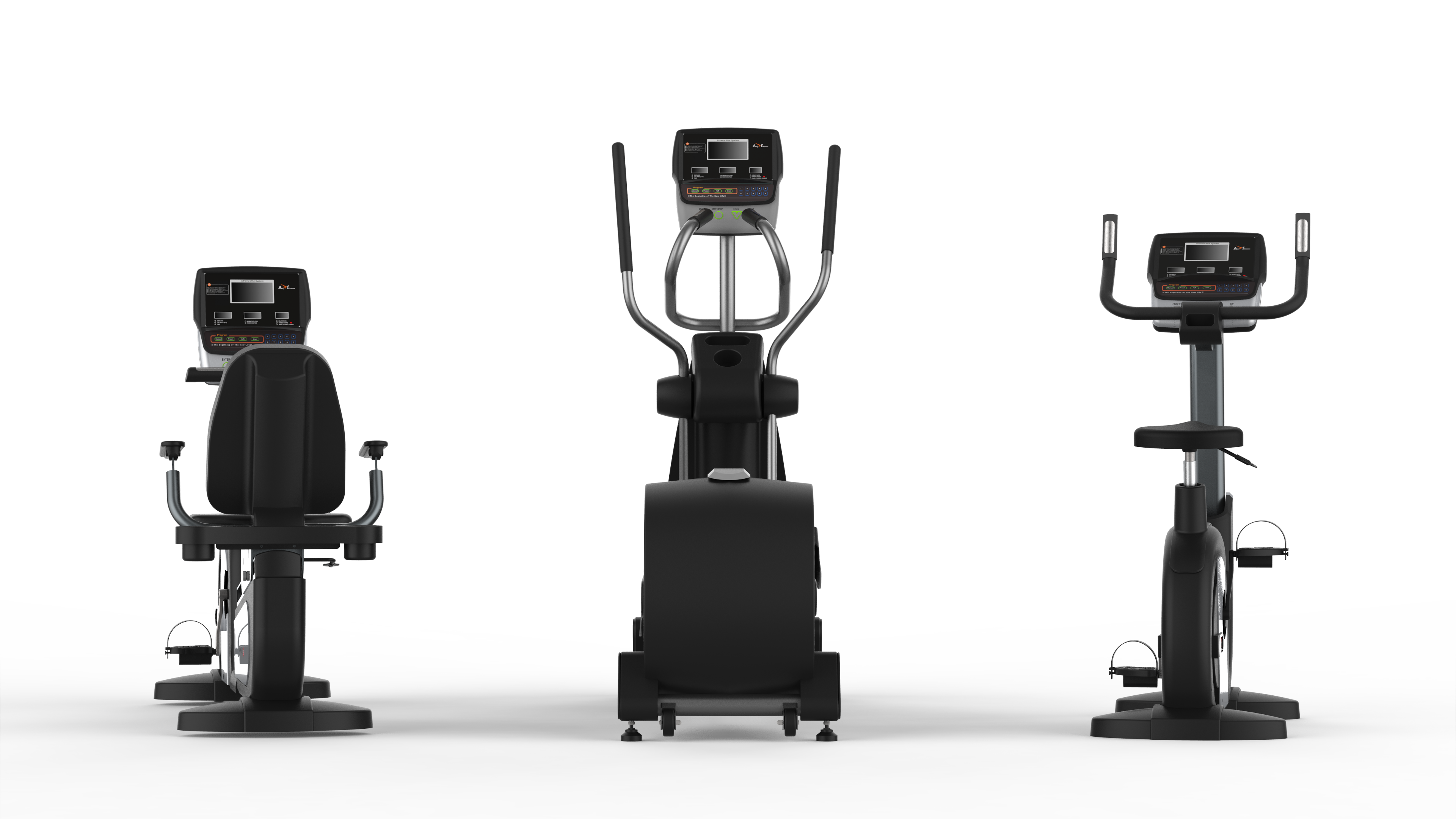
Start with the people who will ride
An upright bike and a recumbent bike answer different needs. An upright position may suit members who want a familiar cycling posture and a compact station. A recumbent seat with a backrest may appeal to people who prefer a supported, seated position. Neither format is automatically the better commercial purchase. Count likely users, peak demand, session length and the amount of guidance staff can offer. If the facility serves a broad membership, trial both formats with people of different heights and experience levels before deciding on the ratio.
Compare access, posture and fit
Check how easily users mount and leave each machine. On an upright bike, inspect frame clearance, saddle adjustment, reach to the bars and whether users can pedal comfortably without rocking the hips. On a recumbent bike, evaluate seat travel, back support, pedal reach and the room needed beside the unit for access. Adjustment labels should be visible. A quick test with a small, tall and first-time rider reveals more than a catalogue photograph. Avoid making medical suitability claims: people with clinical needs should follow qualified advice.
Test the controls and training experience
A commercial console should make quick start and resistance changes obvious. Ask trial users to begin, adjust effort and end a session without staff instructions. Check screen legibility from the riding position, the stability of contact points and whether handles interfere with normal movement. If heart-rate, connected features or programs are important to your club, confirm exactly which functions are included in the quoted model. Compare the feel of resistance at easy, moderate and demanding efforts rather than relying only on a listed range.
Plan the floor and maintenance
Measure the actual footprint, access route and clearance around each bike using the manufacturer’s installation guidance. Locate power or network connections where required and leave room for cleaning and service. Before ordering, ask how to inspect pedals, crank assemblies, seat rails and consoles, which wear parts are available and who provides support. The simplest equipment mix to operate is one that staff can maintain consistently. Record usage after opening and adjust future orders to real demand.
Build a useful purchasing brief
Send suppliers a common brief: facility type, expected traffic, user profiles, floor plan, desired console functions, service location and delivery deadline. Request model-specific dimensions, adjustment range, warranty terms, spare-parts process and a complete quotation. Compare upright and recumbent options side by side. XUWEI’s M-501 upright and M-501R recumbent bikes give buyers two formats to evaluate; confirm current specifications and availability with the sales team before making a selection.
Key takeaways
- Choose the bike mix from real member needs
- Trial access, fit and controls with varied users
- Compare service and total operating needs before ordering