
Equipment guide
What Does a Recumbent Bike Add to a Fitness Facility?
Explore the practical value of recumbent bikes for seated cardio choice, member comfort, programming and facility operations.
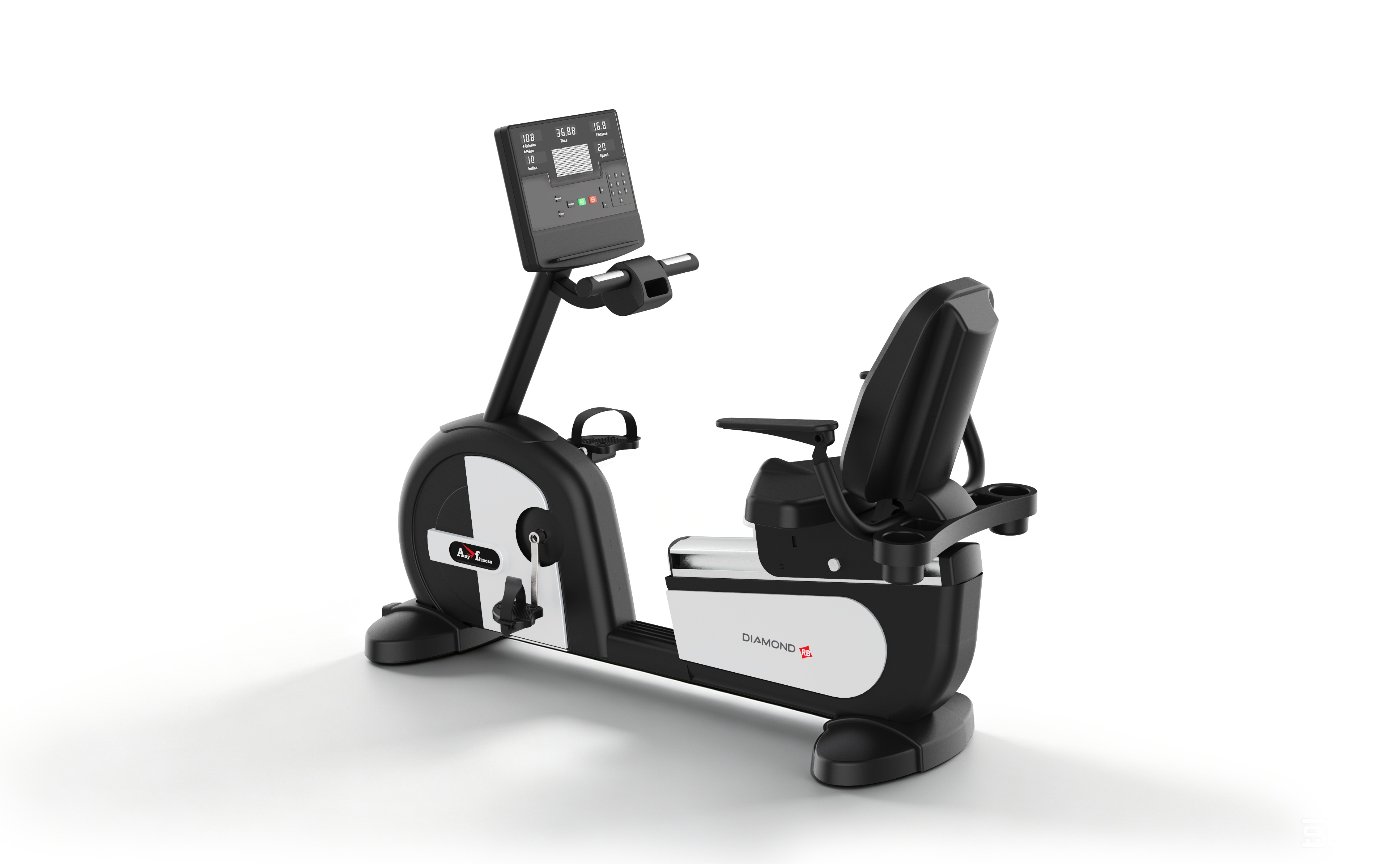
A distinct seated training choice
A recumbent bike places the rider in a supported seated position with pedals forward of the seat. It feels different from an upright bike and gives a facility another way to offer aerobic activity. Members who dislike standing equipment or prefer a backrest may choose it for a short session or longer steady ride. This variety can help a gym serve different preferences without suggesting that one machine suits everyone. A recumbent bike complements, rather than replaces, treadmills, ellipticals and upright bikes.
Comfort and adjustment matter
A supportive seat is only useful when the rider fits the machine. Test seat travel, pedal reach, backrest angle, handle placement and access for people of different heights. Knees should move comfortably through the pedal cycle without the rider stretching to reach the pedals. Check that the adjustment mechanism is easy to understand and secure after use. Inspect how the seat material and contact points can be cleaned between members. A trial by real users is more useful than judging comfort from a photograph.
Simple intensity progression
Resistance control lets a user begin gently and increase effort over time. A clear console can help display time, distance and other model-supported training data so members and coaches can structure sessions. The exact functions vary by machine, so buyers should verify the quoted model. For a facility, a seated station can fit warm-ups, steady aerobic work and coached intervals. Instructors should set intensity according to the individual and provide guidance when a member is new to exercise.
Broader appeal without medical promises
A recumbent format may be attractive to users who prefer seated support, including some beginners and older adults. It should never be presented as treatment or as universally safe for an injury or condition. ACSM’s 2026 trends place fitness programs for older adults among the leading priorities, which makes inclusive equipment choices relevant for operators. Qualified professionals should advise members with specific health concerns. Staff can help by explaining adjustments and offering an easy first session.
Evaluate the machine in context
Before adding units, compare space requirements, access clearance, noise, cleaning time and likely member demand with the rest of the cardio floor. Check pedal and seat components, service access, warranty and parts supply with the vendor. Observe use after installation to decide whether the format deserves more floor space. XUWEI’s M-501R recumbent bike can be evaluated alongside the M-501 upright bike and other cardio models; request the current specification sheet and a quotation for the intended project.
Key takeaways
- A recumbent bike adds a supported seated cardio format
- Fit and easy adjustment determine real usability
- Evaluate demand and service before expanding the fleet